
Blog
SUV Tires: Complete Guide to Selection and Performance

Oct
Sport utility vehicles have evolved from niche off-road machines into the dominant vehicle category worldwide, accounting for nearly half of all new vehicle sales in 2026. This shift has created unprecedented demand for specialized tires that can handle everything from daily commutes to weekend adventures. Understanding the unique requirements of SUV tires helps fleet managers, distributors, and vehicle owners make informed decisions that optimize safety, fuel economy, and operational costs. Whether you're outfitting a commercial delivery fleet or sourcing inventory for a distribution network, the right tire selection directly impacts performance and profitability.
Understanding SUV Tire Categories and Applications
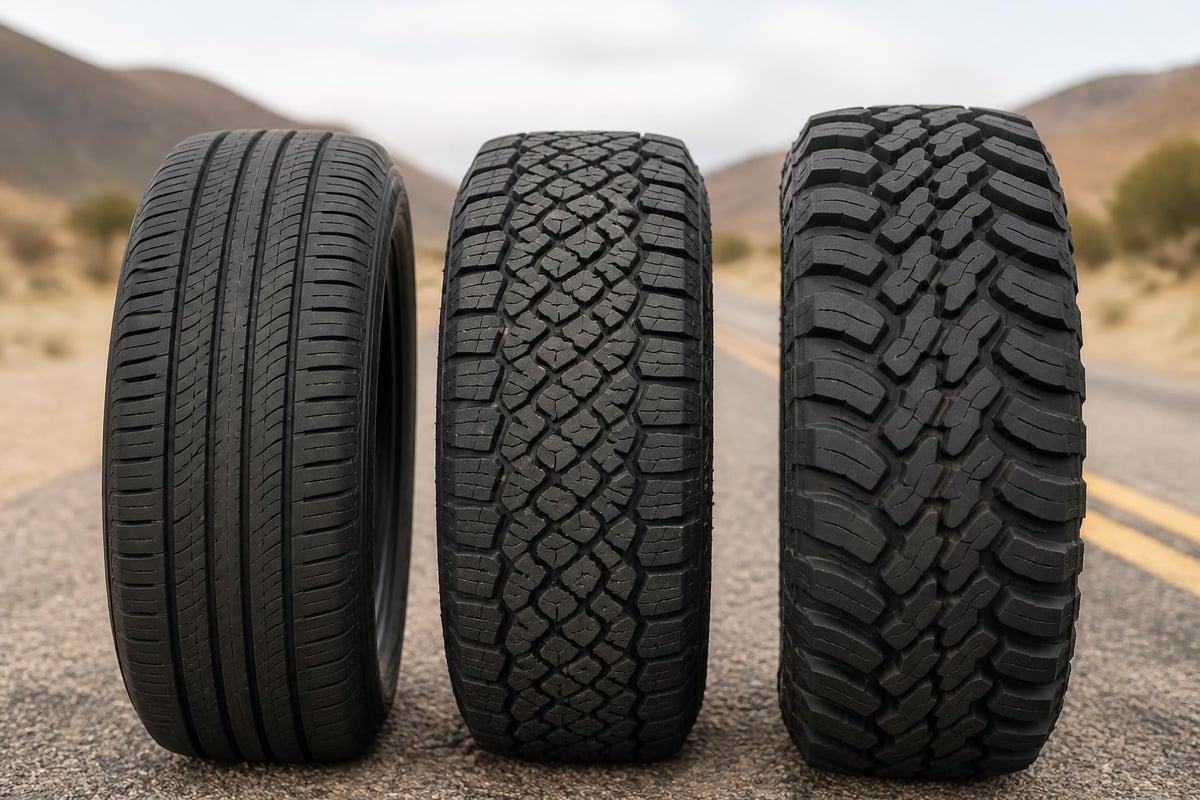
The term "SUV tire" encompasses a broad spectrum of designs, each engineered for specific driving conditions and performance priorities. Highway terrain tires prioritize on-road comfort, fuel efficiency, and tread life for drivers who rarely venture off pavement. These tires feature symmetrical tread patterns with continuous ribs that minimize road noise and maximize contact with paved surfaces.
All-terrain tires strike a balance between highway manners and off-road capability. They incorporate larger tread blocks with deeper voids to provide traction on gravel, dirt, and light mud while maintaining acceptable noise levels and ride quality on asphalt. The AAA tire guide provides detailed breakdowns of these categories and their intended use cases.
Mud-terrain tires represent the most aggressive category, designed for serious off-road enthusiasts and commercial applications in construction or natural resource industries. These tires feature wide, deep lugs with significant spacing to shed mud and maintain traction in extreme conditions. The trade-off comes in the form of increased road noise, reduced fuel economy, and faster wear on paved surfaces.
Load Index and Speed Ratings Matter
Every SUV tire carries standardized load index and speed rating markings that communicate critical performance limits. The load index indicates the maximum weight each tire can safely support when properly inflated, while the speed rating denotes the maximum sustained speed capability. Research from the Insurance Institute for Highway Safety demonstrates that SUVs' higher center of gravity and greater mass make proper tire selection particularly important for crash avoidance and occupant protection.
Key load index considerations for SUV applications:
- Compact crossovers typically require load indices between 95-105
- Mid-size SUVs generally need indices from 105-115
- Full-size and heavy-duty SUVs demand indices of 115 or higher
- Commercial applications should add a safety margin above calculated requirements
Speed ratings range from Q (99 mph) for dedicated off-road tires to V (149 mph) or even W (168 mph) for performance-oriented highway models. Matching the speed rating to actual operating conditions ensures appropriate safety margins without paying for unnecessary performance capabilities.
Sizing Specifications and Fitment Standards
Reading tire size markings correctly prevents costly fitment errors and performance compromises. A typical SUV tire size like 265/70R17 115S contains multiple data points. The first number (265) represents the section width in millimeters, while the second number (70) indicates the aspect ratio as a percentage of width to sidewall height. The "R" denotes radial construction, "17" specifies the wheel diameter in inches, and "115S" provides the load index and speed rating.
| Size Component | Example | Meaning |
|---|---|---|
| Section Width | 265 | Width in millimeters at widest point |
| Aspect Ratio | 70 | Sidewall height as % of width |
| Construction | R | Radial tire construction |
| Wheel Diameter | 17 | Diameter in inches |
| Load Index | 115 | Maximum load capacity code |
| Speed Rating | S | Maximum sustained speed capability |
Plus-sizing strategies involve increasing wheel diameter while decreasing aspect ratio to maintain overall tire diameter. This modification can improve handling response and visual appeal but may compromise ride quality and increase replacement costs. For commercial fleets and distributors, maintaining OEM specifications typically offers the best balance of performance, cost, and availability.
Seasonal Performance and Climate Considerations
Temperature and precipitation patterns directly influence tire compound performance and tread design effectiveness. All-season SUV tires utilize compounds formulated to remain flexible across a broad temperature range, typically from 45°F down to 0°F. These tires incorporate siping patterns that create additional biting edges for wet traction while maintaining adequate rigidity for dry handling.
Winter tires for SUVs employ specialized rubber compounds that remain pliable below 45°F, when all-season compounds begin to harden and lose grip. The Consumer Reports tire testing program has documented snow traction improvements of 25-50% when comparing dedicated winter tires to all-season alternatives on identical vehicles.
Regional Climate Matching Strategies
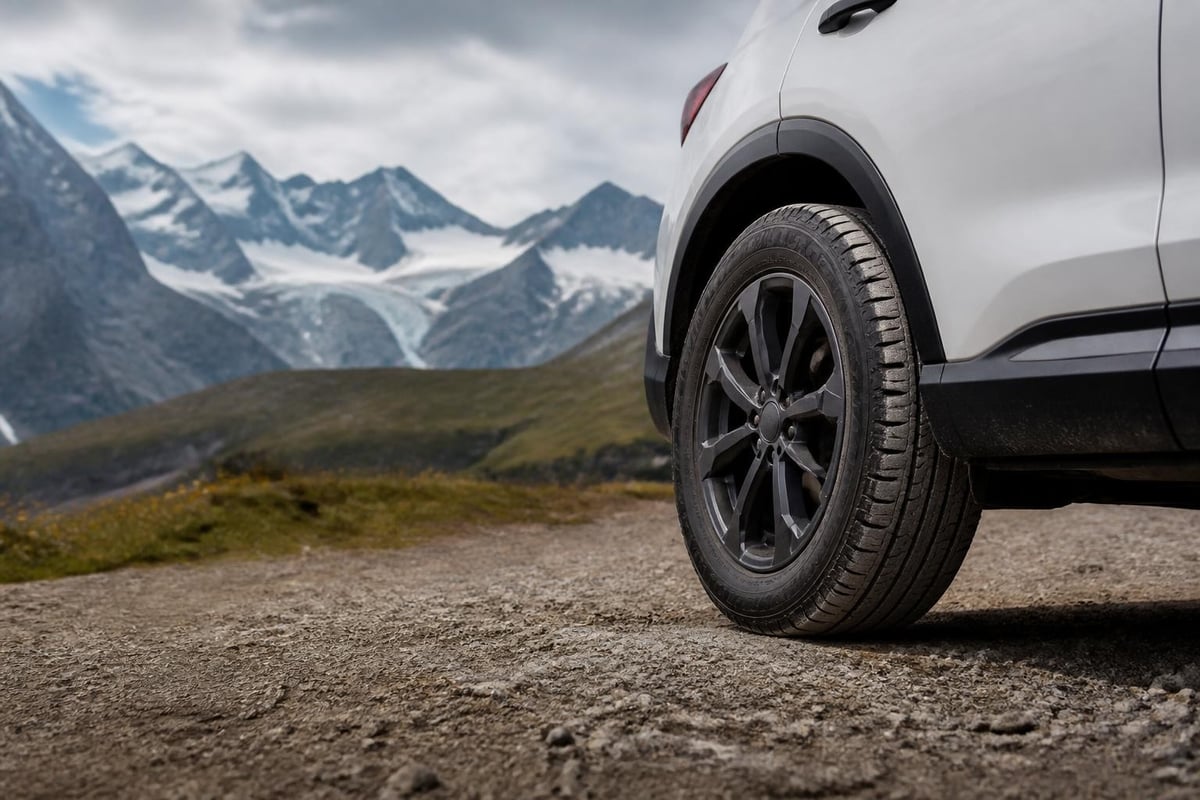
Fleet managers and distributors serving diverse geographic markets must account for regional climate variations when specifying tire inventories. Coastal regions with moderate temperatures but frequent rainfall prioritize wet traction and hydroplaning resistance. Mountain and northern markets require winter tire options or at minimum all-weather tires with three-peak mountain snowflake certification.
Desert and southern climates place premium on heat resistance and UV stability to prevent premature aging and tread separation. The compound formulations and construction techniques that excel in Phoenix differ substantially from those ideal for Minneapolis or Seattle.
Fuel Efficiency and Rolling Resistance
Rolling resistance accounts for 20-30% of a vehicle's fuel consumption, making tire selection a significant factor in operating costs and environmental impact. The EPA Automotive Trends Report tracks how tire technology improvements contribute to fleet-wide efficiency gains. Low rolling resistance compounds reduce the energy required to maintain forward motion, translating directly into fuel savings.
SUV tires face a particular challenge balancing rolling resistance against traction and durability requirements. Softer compounds grip better but increase rolling resistance and wear faster. Harder compounds last longer and roll more efficiently but sacrifice wet and winter traction. Premium manufacturers invest heavily in silica-enhanced compounds that optimize this balance.
Fuel efficiency factors in SUV tire design:
- Tread compound hardness and silica content
- Overall tire weight and construction materials
- Tread depth and void ratio
- Sidewall stiffness and deflection characteristics
- Aerodynamic profile and shoulder design
For commercial fleets operating SUVs in delivery or service roles, a 10% reduction in rolling resistance can improve fuel economy by 2-3%. Across thousands of miles annually per vehicle, these savings compound into substantial operational cost reductions.
Load Range and Ply Rating for Commercial Use
Commercial applications and heavy-duty SUVs require tires with enhanced load-carrying capacity beyond passenger-grade specifications. Load range designations (B, C, D, E) indicate the tire's strength and maximum inflation pressure. Load Range E tires, common on three-quarter-ton and one-ton SUVs, can handle inflation pressures up to 80 PSI and significantly higher loads than Load Range B or C alternatives.
The ply rating system, while somewhat archaic, still appears on many tire sidewalls. Modern radial tires don't actually use the number of plies indicated; instead, the rating represents equivalent strength. A 10-ply rating doesn't mean ten physical layers but rather strength equivalent to a bias-ply tire with ten layers.
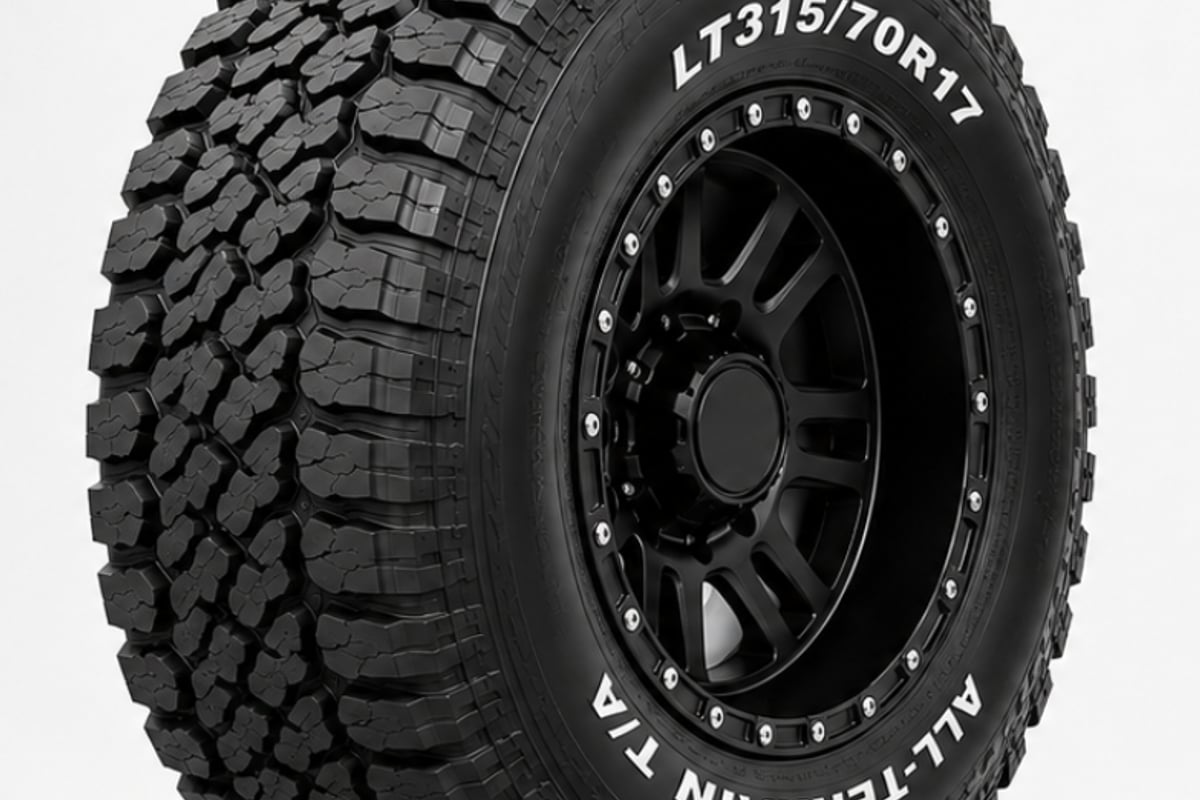
Light truck tire specifications become particularly relevant when discussing SUV applications. Many larger SUVs use LT-metric sizing rather than P-metric passenger car sizing. OTR TIRE THAI’s light truck tire range covers the full spectrum of applications from highway terrain to aggressive mud-terrain patterns, engineered specifically for the demanding requirements of commercial and fleet use.
| Load Range | Max Pressure | Typical Application |
|---|---|---|
| B | 35 PSI | Compact crossovers, light use |
| C | 50 PSI | Mid-size SUVs, moderate loads |
| D | 65 PSI | Full-size SUVs, towing applications |
| E | 80 PSI | Heavy-duty SUVs, maximum loads |
Tread Depth and Wear Indicators
New SUV tires typically feature tread depths between 10/32" and 15/32", with all-terrain and mud-terrain variants at the deeper end of that range. Legal minimum tread depth in most jurisdictions stands at 2/32", but performance degradation begins well before reaching this limit. Wet traction decreases measurably once tread depth falls below 4/32", while winter performance suffers when depth drops below 6/32".
Tread wear indicators molded into the tire grooves provide visual confirmation when replacement becomes necessary. These raised bars sit at 2/32" depth and become flush with the tread surface at the legal minimum. However, responsible fleet management and safety protocols should trigger replacement earlier based on application and conditions.
Monitoring tread wear patterns reveals alignment and inflation issues:
- Center wear indicates over-inflation
- Edge wear suggests under-inflation
- One-sided wear points to alignment problems
- Cupping or scalloping indicates suspension issues
- Feathering suggests improper toe settings
Regular rotation extends tread life by distributing wear evenly across all positions. Most manufacturers recommend rotation every 5,000-8,000 miles, though specific intervals vary based on drive configuration and tire design.
Tire Pressure Monitoring and Maintenance
Proper inflation pressure directly affects tire performance, fuel economy, and service life. The Tire Industry Association emphasizes that even a 10% deviation from recommended pressure can reduce tire life by 15% and increase fuel consumption measurably. SUVs present particular challenges because the high curb weights mean small pressure changes have outsized effects on contact patch shape and load distribution.
Tire Pressure Monitoring Systems (TPMS) became mandatory on all new vehicles sold in the United States in 2008. These systems alert drivers when pressure drops 25% or more below the recommended level. However, optimal pressure sits well above the TPMS warning threshold, making regular manual checks with an accurate gauge essential for maximizing performance and longevity.
Temperature Effects on Pressure
Ambient temperature changes affect tire pressure approximately 1 PSI for every 10°F temperature shift. SUVs stored outdoors in regions with significant seasonal temperature swings require pressure adjustments multiple times annually. A tire inflated to 35 PSI in summer at 80°F will read only 30 PSI in winter at 30°F, creating a 14% underinflation condition.
Commercial operators maintaining SUV fleets across multiple climate zones must establish protocols accounting for these variations. Digital pressure monitoring systems that track individual tire pressures in real-time help fleet managers identify issues before they impact safety or efficiency. These systems integrate with warehouse automation and logistics technology to provide comprehensive fleet management visibility.
Three-Peak Mountain Snowflake Certification
The three-peak mountain snowflake (3PMSF) symbol certifies that a tire meets specific snow traction performance requirements in standardized testing. This designation goes beyond the traditional "M+S" (mud and snow) marking found on many all-season tires. To earn 3PMSF certification, tires must demonstrate at least 110% of the traction index achieved by a reference tire in snow-specific braking tests.
For SUV operators in snow-prone regions, 3PMSF certification provides objective assurance of winter capability. Many all-weather tire designs now carry this certification while maintaining year-round usability, eliminating the need for seasonal tire changes. These tires serve markets where winter conditions occur frequently enough to justify enhanced cold-weather performance but not so severely as to require dedicated winter tires.

Run-Flat and Self-Supporting Technologies
Run-flat tire technology allows continued operation for limited distances after complete air pressure loss. Reinforced sidewalls support the vehicle's weight even when internal pressure reaches zero, typically enabling 50 miles of travel at reduced speeds. This capability eliminates immediate roadside tire changes and provides safety advantages in hazardous locations.
The trade-offs include increased weight, higher replacement costs, and somewhat firmer ride quality compared to conventional tires. Run-flat designs also require compatible wheels and TPMS to alert drivers when pressure loss occurs. Many luxury and performance SUVs now ship from factories with run-flat tires and no spare tire, reclaiming cargo space and reducing vehicle weight.
Self-sealing technologies offer an alternative approach, incorporating a sealant layer inside the tire that automatically plugs punctures up to 1/4 inch diameter. These systems work with conventional tire construction and don't significantly affect ride quality or weight. However, they only address punctures in the tread area and provide no benefit for sidewall damage or catastrophic failures.
Noise, Vibration, and Harshness Characteristics
Tire-generated noise represents a primary source of cabin sound in modern SUVs as manufacturers improve engine and wind noise suppression. Tread pattern design, void ratio, and block arrangement all influence the frequency and amplitude of tire noise. Computer-optimized pitch sequencing varies tread block sizes in specific patterns to cancel harmonic frequencies and reduce overall noise levels.
SUV tires face particular challenges because the larger contact patches and higher void ratios needed for traction potential generate more noise than passenger car tires. Highway terrain designs minimize this issue through continuous center ribs and limited void area, while aggressive all-terrain and mud-terrain patterns accept higher noise levels as a necessary compromise for off-road capability.
Vibration transmission affects ride quality and component longevity throughout the vehicle. Tire uniformity specifications control variations in mass distribution and structural stiffness around the circumference. Premium tires undergo computerized uniformity optimization to minimize first-order vibrations that cause perceptible shake and harshness.
Distributor and Fleet Procurement Strategies
Large-scale tire procurement requires balancing immediate pricing against total cost of ownership, supply chain reliability, and performance consistency. Distributors serving commercial accounts must maintain inventory depth across multiple size and pattern options while minimizing capital tied up in slow-moving stock. Strategic partnerships with manufacturers like OTR TIRE THAI provide access to wholesale pricing and consistent quality across international markets.
Fleet managers increasingly adopt total cost of ownership models that account for purchase price, fuel consumption, maintenance labor, and service life rather than focusing solely on upfront costs. A premium tire that costs 20% more but lasts 30% longer and improves fuel economy by 3% delivers superior value over its service life.
Quality Certification and Testing Standards
DOT certification in North America and ECE certification in European markets establish baseline safety and performance requirements. However, these regulatory minimums don't guarantee optimal performance for specific applications. Independent testing organizations provide comparative data that helps procurement professionals evaluate competing products objectively.
Warranty coverage offers insights into manufacturer confidence and quality control. Tread life warranties backed by adjustment policies indicate serious commitment to durability. However, warranty fine print often includes exclusions for commercial use, improper maintenance, and road hazard damage that limit practical value for fleet applications.
International Trade and Supply Chain Considerations
Global tire distribution networks connect manufacturers in Thailand and other production centers with end users across six continents. Understanding lead times, container shipping logistics, and customs requirements helps distributors maintain adequate inventory without excessive overhead. Economic order quantities must balance container utilization efficiency against storage capacity and demand variability.
Currency fluctuations impact pricing stability for international tire procurement. Long-term supply agreements with price adjustment formulas help both manufacturers and distributors manage exchange rate volatility. Companies like Pallet Company Pro support the logistics infrastructure that enables efficient global tire distribution through standardized pallet systems and handling equipment.
Freight costs represent a substantial component of landed tire costs, particularly for dimensional products like SUV tires that consume significant container space relative to weight. Optimizing shipment consolidation and routing through efficient logistics partners directly impacts competitive positioning in price-sensitive markets.
Emerging Technologies and Future Developments
Sustainable materials and manufacturing processes increasingly influence tire development priorities. Silica derived from rice husks, natural rubber from guayule plants, and recycled polymer content all contribute to reducing environmental impact without compromising performance. These innovations respond to regulatory pressure and consumer demand for environmentally responsible products.
Smart tire technologies incorporating embedded sensors promise to revolutionize maintenance practices and performance optimization. These systems monitor temperature, pressure, tread depth, and road conditions in real-time, transmitting data to fleet management platforms. Predictive analytics identify tires approaching service limits and optimize rotation schedules based on actual wear patterns rather than predetermined intervals.
Airless tire concepts that eliminate pneumatic pressure entirely have progressed from concepts to limited production applications. While current designs remain unsuitable for highway speeds and passenger comfort expectations, continued development may eventually bring this technology to mainstream SUV applications. The potential benefits include eliminating flats, reducing maintenance, and improving sustainability through simplified recycling.
Specialty Applications and Niche Requirements
Emergency services, law enforcement, and military SUV fleets face unique tire requirements that standard consumer products don't adequately address. High-speed pursuit ratings, puncture resistance for tactical operations, and extended load capacity for armored vehicles demand specialized engineering and testing. These applications justify premium pricing for capabilities that civilian users rarely require.
Recreational vehicles and camper conversions frequently operate at or near maximum vehicle weight ratings for extended periods. These use cases require load range specifications and pressure requirements that exceed standard SUV tire capabilities. Proper tire selection becomes critical for both safety and legal compliance when modifying vehicles for specialized recreational use.
Off-road competition and extreme terrain navigation push tire technology to absolute limits. Rock crawling, desert racing, and expedition travel each demand specific tread patterns, sidewall reinforcements, and compound formulations optimized for particular terrain challenges. Manufacturers serving these niche markets conduct extensive field testing with professional drivers to validate performance claims. Partners like Ejenti Outdoor understand the demanding requirements that off-road enthusiasts place on vehicle equipment and outdoor gear.
Selecting appropriate SUV tires requires careful evaluation of operating conditions, performance priorities, and total cost factors that extend well beyond initial purchase price. The right combination of tread design, compound formulation, and construction specifications delivers measurable benefits in safety, efficiency, and operational costs. Whether you're specifying tires for a commercial fleet, sourcing inventory for distribution networks, or outfitting specialized vehicles, OTR TIRE THAI offers wholesale pricing on premium quality tires backed by international certifications and proven performance across diverse global markets. Contact our distribution team to discuss your specific requirements and discover how our comprehensive tire portfolio serves fleet operators and distributors in over 80 countries.
