
Blog
Tread Rating: Complete Guide for Tire Performance
Aug
Understanding tire performance metrics is essential for making informed purchasing decisions, whether you're a fleet manager, distributor, or vehicle owner. Among the various indicators available, tread rating stands out as one of the most important factors influencing tire selection. This standardized measurement provides critical insights into expected tire lifespan, helping businesses optimize their tire investments and plan maintenance schedules effectively. For professionals in the commercial tire industry, mastering tread rating interpretation translates directly into better inventory decisions, improved customer guidance, and enhanced fleet performance outcomes.
What Is Tread Rating and Why It Matters
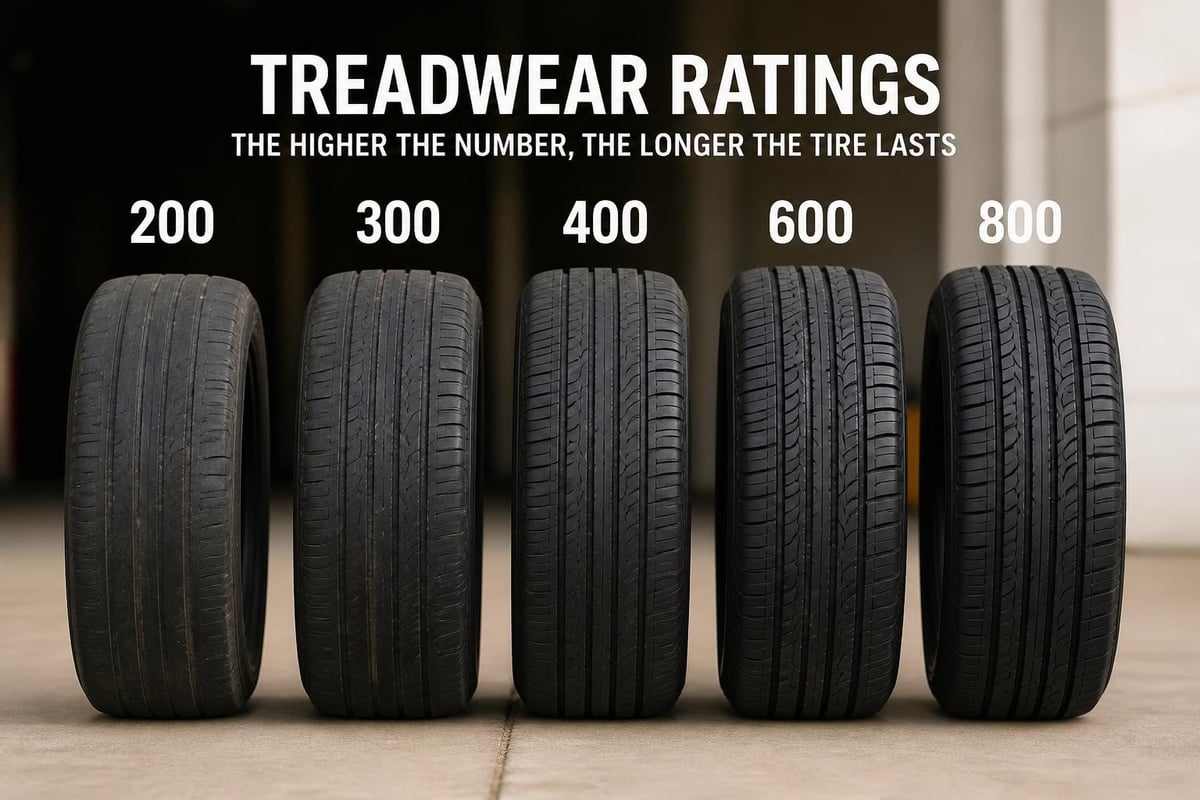
Tread rating represents a numerical value assigned to tires through standardized testing procedures that estimate relative tire wear performance. The number itself doesn't indicate specific mileage but rather provides a comparative baseline against a control tire with a rating of 100. When you see a tread rating of 400, for instance, the tire should theoretically last four times longer than the reference tire under identical testing conditions.
The Uniform Tire Quality Grading (UTQG) system establishes this standardized framework in the United States, though many countries have adopted similar rating systems. This standardization enables apples-to-apples comparisons across different tire brands and models, giving distributors and end users a reliable metric for evaluation.
The Business Impact of Tread Rating
For commercial operations, understanding tread rating directly affects the bottom line. A higher-rated tire may carry a premium price tag, but the extended service life often delivers superior total cost of ownership. Fleet managers calculating cost per mile find that a tire with a 600 tread rating at $250 outperforms a 300-rated tire at $150 over the vehicle's operational lifespan.
Distribution businesses benefit from stocking a range of tread ratings to serve different market segments. Budget-conscious customers may prioritize upfront cost, while premium fleet operators focus on longevity and reduced maintenance intervals. Understanding these dynamics helps tire distributors position their product portfolios effectively across various tire categories.
How Tread Rating Is Determined
The tread rating testing process follows rigorous protocols designed to ensure consistency and reliability. Tire manufacturers conduct controlled road tests where candidate tires are mounted on test vehicles and driven for specific mileage intervals under standardized conditions. These vehicles travel predetermined routes that include highways, secondary roads, and various surface types.
Testing Protocol Requirements
Government-monitored testing requires manufacturers to:
- Mount test tires on specified vehicle types with controlled load and inflation pressure
- Drive the test convoy for 7,200 miles on designated test courses
- Rotate tire positions at regular intervals to ensure even wear patterns
- Measure tread depth at multiple points throughout the testing period
- Compare results against the baseline control tire
The control tire, assigned a baseline tread rating of 100, runs simultaneously under identical conditions. Inspectors measure tread depth remaining on both test and control tires, then calculate the ratio to determine the final rating. A test tire retaining twice as much tread depth as the control receives a rating of 200.
The standardized test method for tire durability provides technical specifications for these procedures, ensuring consistency across manufacturers and testing facilities.
Real-World Variables and Testing Limitations
While tread rating provides valuable comparative data, actual tire performance varies based on numerous factors beyond laboratory control. Driving habits, road conditions, climate, vehicle maintenance, and load patterns all influence how long a tire actually lasts in service. A commercial truck operating in mountainous terrain with frequent heavy loads will experience different wear patterns than one making highway deliveries on flat routes.
Testing conditions represent an average use case, not extreme scenarios. This explains why two tires with identical tread ratings may perform differently in specific applications. Understanding these limitations helps distributors set realistic customer expectations while still leveraging tread rating as a useful comparative tool.
Interpreting Tread Rating Numbers
Tread ratings typically range from 100 to 800, though most passenger and commercial tires fall between 300 and 600. The numerical progression is linear, meaning a tire rated 500 should last approximately 25 percent longer than one rated 400, assuming identical operating conditions.
| Rating Range | Expected Performance | Typical Applications |
|---|---|---|
| 100-200 | Basic longevity | Performance tires, specialty use |
| 200-400 | Moderate durability | Economy passenger vehicles |
| 400-600 | Extended service life | Commercial fleets, daily drivers |
| 600-800 | Maximum longevity | High-mileage applications |
Converting Ratings to Mileage Estimates
Many consumers and fleet managers want to translate tread rating into actual mileage predictions. While no universal formula exists, some industry experts use general approximations. The baseline 100 rating typically corresponds to roughly 10,000 to 15,000 miles of service life. Using this framework, a tire rated 400 might deliver 40,000 to 60,000 miles.
These estimates remain highly dependent on application-specific factors. The treadwear rating relationship to expected mileage provides additional context for these calculations, though distributors should emphasize that ratings offer relative comparisons rather than guaranteed mileage warranties.
Commercial Truck Applications
For commercial truck operators, tread rating takes on additional significance given the higher mileage demands and safety requirements. Semi trucks often accumulate 100,000 miles or more annually, making tire longevity a critical operational concern. A five-point difference in tread rating may seem marginal for passenger vehicles but translates to thousands of additional service miles for commercial applications.
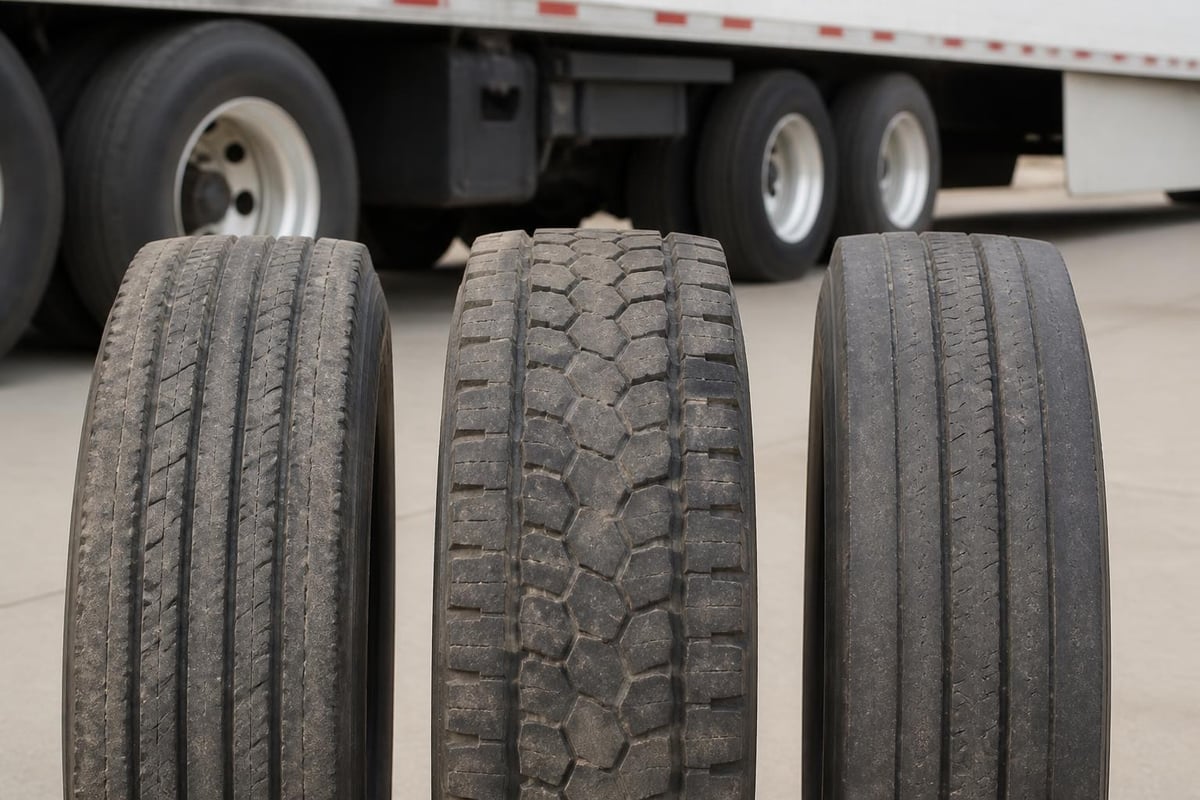
When evaluating options like semi truck tires from Thailand, fleet managers should consider tread rating alongside other performance factors including fuel efficiency, traction ratings, and position-specific design features. Drive position tires, for example, require deep tread patterns and robust construction that may influence their tread rating differently than steer position tires.
Beyond Tread Rating: Additional UTQG Components
The complete UTQG rating system includes two other critical performance indicators alongside tread rating. Understanding the full grading system enables more comprehensive tire evaluation and selection.
Traction Ratings
Traction grades measure a tire's stopping ability on wet pavement, expressed as AA, A, B, or C. These grades derive from controlled straight-line braking tests on wet asphalt and concrete surfaces. AA represents the highest traction performance, while C indicates the minimum acceptable level. This rating proves particularly relevant for commercial vehicles operating in varied weather conditions or regions with frequent precipitation.
Temperature Resistance Ratings
Temperature grades (A, B, or C) indicate a tire's resistance to heat generation and dissipation. Heat buildup significantly affects tire durability, especially for commercial vehicles traveling at highway speeds with heavy loads. Grade A tires withstand higher temperatures than B or C rated options, making them preferable for demanding applications.
Factors Influencing Actual Tread Life
While tread rating provides a standardized comparison baseline, numerous operational variables determine how long a tire actually performs in service. Understanding these factors helps distributors advise customers effectively and manage warranty expectations.
Primary wear influences include:
- Inflation pressure maintenance and monitoring frequency
- Vehicle alignment and suspension condition
- Load distribution and weight compliance
- Driving behaviors including acceleration, braking, and cornering
- Road surface quality and terrain characteristics
- Climate conditions and temperature extremes
- Tire rotation schedules and maintenance practices
Proper Maintenance Protocols
Regular maintenance dramatically extends tire service life regardless of initial tread rating. Under-inflation, the most common tire maintenance failure, accelerates shoulder wear and reduces fuel efficiency. Even a tire with an 800 tread rating fails prematurely when operated at incorrect pressure.
Commercial fleets implementing systematic tire pressure monitoring systems (TPMS) and regular rotation schedules consistently achieve better actual mileage than those with identical tread ratings but inconsistent maintenance. This reality underscores that tread rating represents potential longevity that proper care must unlock.
Industry Applications and Rating Considerations
Different vehicle categories and operational profiles require tailored approaches to tread rating evaluation. What constitutes an ideal rating for one application may prove unsuitable for another, making context-critical analysis essential.
Passenger Vehicle Considerations
Personal vehicle owners often prioritize tread rating when seeking maximum value, particularly for high-mileage commuters. A rating of 500 or above typically satisfies consumers seeking extended replacement intervals. However, performance-oriented drivers may accept lower tread ratings in exchange for enhanced handling characteristics and grip.
Commercial Fleet Requirements
Fleet operators must balance tread rating against total cost of ownership metrics including fuel efficiency, retreadability, and casing durability. A marginally lower tread rating paired with significantly better fuel economy may deliver superior lifecycle economics. The comprehensive UTQG ratings explanation helps fleet managers understand these tradeoffs.
Specialty and Off-Road Applications
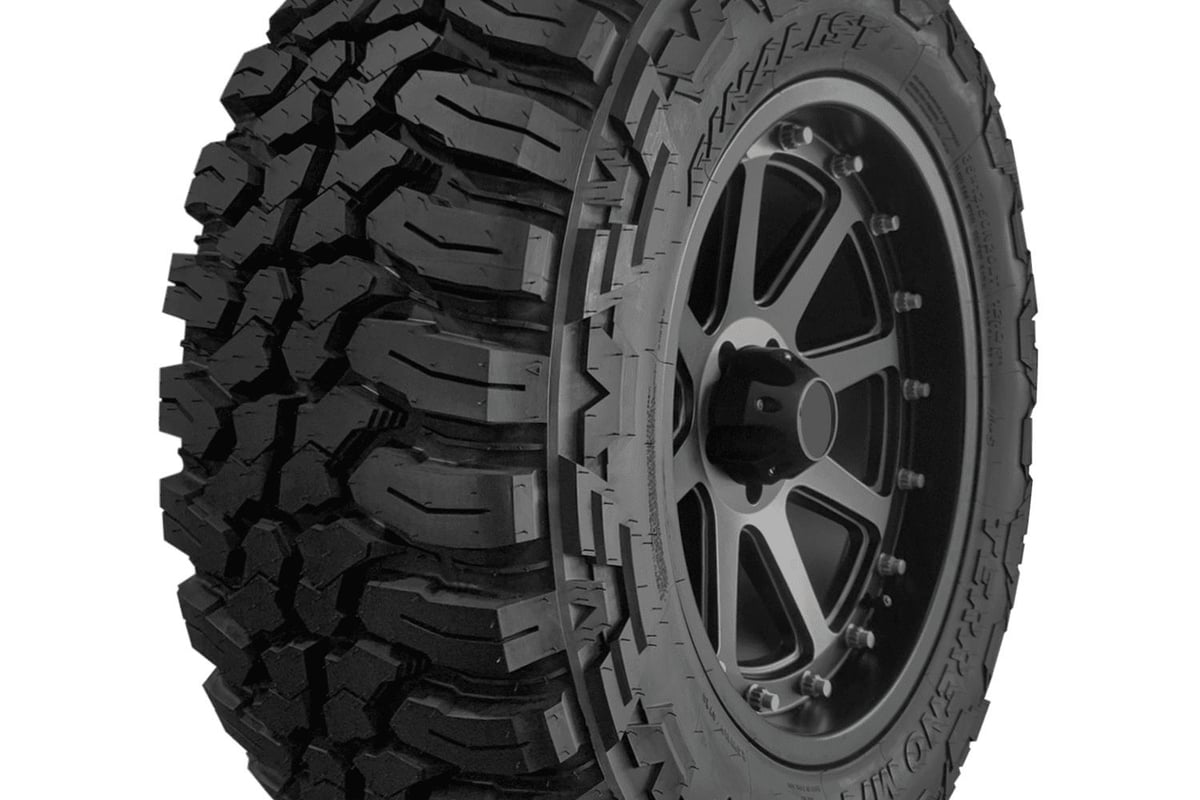
Agricultural, construction, and mining operations often prioritize factors beyond tread rating, including cut resistance, sidewall protection, and traction in loose surfaces. While tread rating remains relevant for estimating replacement intervals, it takes secondary importance to application-specific performance characteristics.
Key specialty tire considerations:
- Tread pattern design for specific terrain types
- Compound formulation for cut and chip resistance
- Casing construction for puncture protection
- Heat resistance for continuous heavy-load operation
- Self-cleaning capabilities in muddy conditions
Global Standards and Regional Variations
While the UTQG system dominates North American markets, international tire standards vary by region. European tire labels emphasize fuel efficiency, wet grip, and noise levels rather than tread rating. Asian markets often reference both local standards and UTQG equivalents, creating complexity for global distributors.
| Region | Primary Standard | Tread Rating Inclusion | Additional Metrics |
|---|---|---|---|
| North America | UTQG | Yes | Traction, Temperature |
| European Union | EU Tire Label | No | Fuel, Wet Grip, Noise |
| Asia-Pacific | Mixed Systems | Varies | Market-dependent |
Harmonization Challenges
Tire manufacturers serving global markets must navigate multiple rating systems, sometimes conducting separate testing protocols for different regions. This complexity affects product development timelines and certification costs. Distributors working with manufacturers like OTR TIRE THAI benefit from suppliers already certified across multiple international standards, streamlining importation and compliance requirements.
Selecting the Right Tread Rating for Your Needs
Optimal tread rating selection requires analyzing specific operational requirements, budget constraints, and performance priorities. No single rating suits every application, making informed evaluation essential for maximizing tire investment returns.
Assessment Framework
Start by evaluating these key parameters:
- Annual mileage expectations and replacement cycle targets
- Operating environment including road conditions and climate
- Load requirements and weight distribution patterns
- Speed profiles and typical driving conditions
- Budget allocation and total cost of ownership models
- Maintenance capabilities and tire management resources
For distributors building product portfolios, stocking multiple tread rating options within each category accommodates diverse customer needs. Economy-focused buyers gravitate toward 300-400 rated tires, while premium customers seek 600+ options for maximum longevity.
Cost-Benefit Analysis Methods
Calculating true tire value requires looking beyond purchase price to lifecycle costs. A simple formula compares cost per tread rating point: divide the tire price by its rating to determine relative value. A $200 tire rated 400 costs $0.50 per rating point, while a $300 tire rated 700 costs $0.43 per point, potentially offering better value despite the higher upfront investment.
This analysis becomes more sophisticated when incorporating fuel efficiency impacts, retread potential, and downtime costs. The detailed UTQG ratings guide provides additional frameworks for comprehensive tire evaluation and selection.
Common Misconceptions About Tread Rating
Several persistent myths surround tread rating interpretation, leading to confusion among both consumers and some industry professionals. Clarifying these misconceptions improves decision-making and sets realistic expectations.
Myth: Higher ratings always mean better tires. Reality: Tread rating measures only wear resistance, not overall quality. A lower-rated tire may outperform in traction, handling, or fuel efficiency while wearing faster. Application requirements should drive selection, not ratings alone.
Myth: Tread rating guarantees specific mileage. Reality: Ratings provide relative comparisons under controlled test conditions. Actual mileage varies dramatically based on maintenance, driving habits, and operating conditions. Two identical tires may deliver vastly different service lives in different applications.
Myth: All tire positions require identical ratings. Reality: Commercial trucks benefit from position-specific tread ratings. Steer tires prioritize handling and even wear, drive tires need durability under power transfer, and trailer tires optimize for rolling resistance. These different demands may justify different tread ratings by position.
Marketing Claims Versus Testing Reality
Some manufacturers promote extraordinarily high tread ratings as marketing differentiators. While impressive numerically, these ratings may result from optimized test conditions rather than superior real-world performance. The technical determination of tire performance levels reveals the complexity behind establishing accurate, representative ratings.
Critical evaluation separates legitimate performance advantages from marketing hyperbole. Distributors should verify testing methodologies and seek third-party validation when evaluating claims of exceptional tread ratings, particularly from unfamiliar manufacturers.
Future Trends in Tread Rating and Tire Testing
The tire industry continues evolving its testing methodologies and rating systems to reflect modern vehicle technologies and consumer expectations. Several emerging trends promise to reshape how tread rating influences tire selection in coming years.
Advanced Testing Technologies
Traditional road course testing faces criticism for limited repeatability and high costs. Emerging indoor testing facilities use precision drum systems that simulate road conditions while enabling tighter control over variables. These advanced methods may eventually supplement or replace conventional testing protocols, potentially improving rating accuracy and consistency.
Promising developments include:
- Accelerated wear testing protocols reducing time and cost
- Digital tread depth monitoring providing continuous data collection
- AI-powered analysis identifying wear patterns and predicting performance
- Integration with vehicle telematics for real-world validation
Sustainability and Rating Evolution
Environmental concerns increasingly influence tire development and rating systems. Future tread rating methodologies may incorporate sustainability metrics including material sourcing, manufacturing carbon footprint, and end-of-life recyclability. Some industry observers predict expanded rating systems that balance longevity against environmental impact, creating more holistic tire evaluation frameworks.
Understanding tread rating empowers smarter tire selection decisions across all vehicle categories and applications. By interpreting these standardized metrics within the context of specific operational requirements, fleet managers and distributors optimize both performance and cost outcomes. Whether you're sourcing tires for commercial fleets, agricultural operations, or specialty applications, OTR TIRE THAI delivers premium quality products across all major tire categories with transparent performance specifications and international certifications. Contact our team to discuss how our comprehensive tire portfolio can meet your specific tread rating and performance requirements.
