
Blog
Japanese Tyre Brands: Engineering Excellence & Market Leaders
Oct
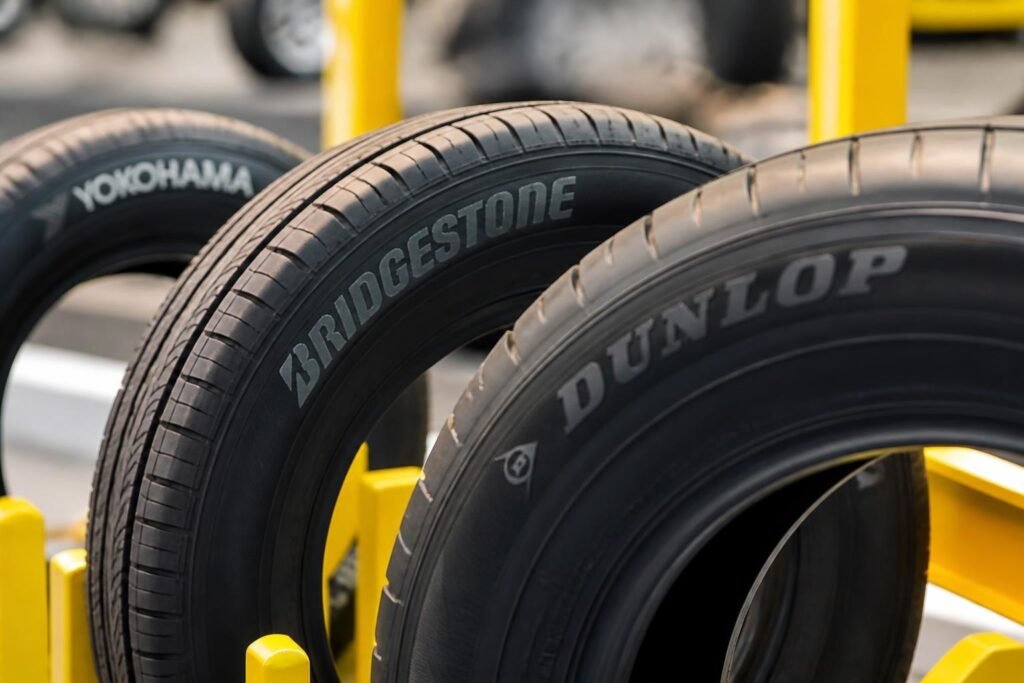
The global tire industry owes much of its technological advancement and manufacturing precision to Japanese innovation. When distributors and fleet managers evaluate tire suppliers, japanese tyre brands consistently rank among the most trusted names for performance, durability, and cutting-edge technology. These manufacturers have built reputations over decades through relentless engineering refinement, quality control systems, and strategic global expansion. Understanding the landscape of Japanese tire manufacturing provides valuable context for businesses sourcing commercial, passenger, and specialty tires for international markets.
The Dominance of Japanese Tyre Brands in Global Markets
Japanese manufacturers command approximately 30% of the worldwide tire market by revenue, a testament to their engineering prowess and brand equity. The Japan Automobile Tyre Manufacturers Association (JATMA) reports that domestic production capacity continues expanding despite mature home markets, with exports driving growth across Asia-Pacific, North America, and European distribution channels.
Bridgestone Corporation stands as the world's largest tire manufacturer by revenue, operating production facilities across six continents. Founded in Kurume in 1931, Bridgestone pioneered numerous innovations including run-flat technology, fuel-efficient compounds, and smart tire sensor integration. The company's product portfolio spans passenger car radials, commercial truck tires, agricultural equipment, and motorsport applications.
Market Position and Production Capacity
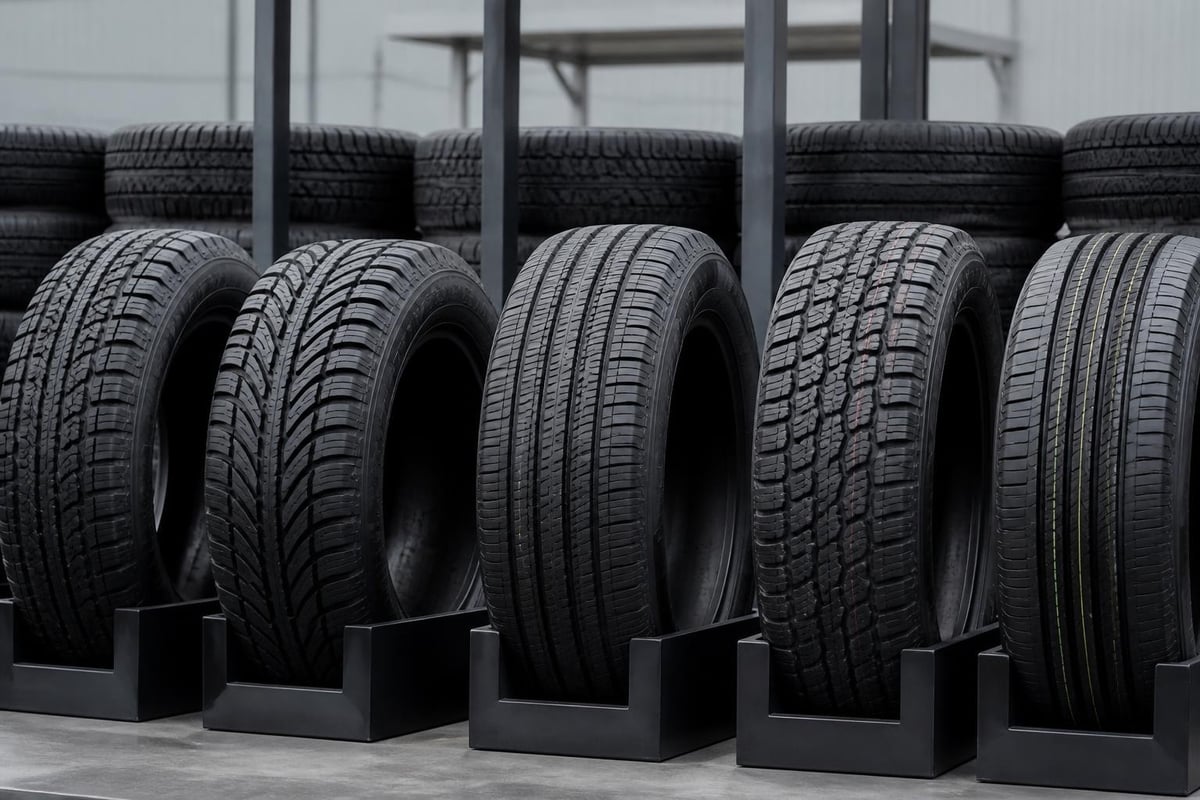
The competitive landscape among japanese tyre brands reflects specialized strengths and strategic market positioning:
| Manufacturer | Primary Strengths | Key Markets | Annual Production (millions) |
|---|---|---|---|
| Bridgestone | Premium passenger, commercial TBR | North America, Europe, Asia | 190+ |
| Yokohama | Performance, winter, SUV | North America, Asia | 75+ |
| Toyo Tires | Light truck, all-terrain, passenger | North America, Australia | 52+ |
| Sumitomo | Value commercial, passenger | Asia, Middle East | 45+ |
| Dunlop (Sumitomo) | Motorsport, performance | Europe, Japan | Integrated with Sumitomo |
Yokohama Rubber Company carved a niche in high-performance and winter tire segments, with particular strength in North American light truck markets. Their GEOLANDAR line dominates the all-terrain category for pickup trucks and SUVs, while the ADVAN brand maintains presence in motorsport and ultra-high-performance passenger applications.
Toyo Tire Corporation differentiates through aggressive tread designs and competitive pricing in the aftermarket channel. The company invested heavily in North American manufacturing, operating plants in Georgia and Alabama that supply domestic distributors with reduced lead times and logistics costs.
Engineering Innovation and Technical Standards
Japanese tire engineering culture emphasizes marginal gains through iterative improvement. Research and development budgets at major manufacturers typically exceed 4% of annual revenue, funding materials science, tread simulation software, and manufacturing automation. These investments translate into measurable performance advantages in rolling resistance, wet grip, and tread life.
The Society of Automotive Engineers of Japan (JSAE) maintains technical standards that exceed many international benchmarks. Japanese manufacturers routinely test tires beyond regulatory minimums, employing high-speed endurance testing, extreme temperature cycling, and accelerated aging protocols that predict real-world performance across diverse climates.
Compound Technology and Material Science
Silica-enhanced tread compounds represent a signature innovation from japanese tyre brands. By replacing traditional carbon black with precipitated silica, engineers reduced hysteresis (internal friction) that causes heat buildup and fuel consumption. Modern formulations balance silica ratios with polymers and processing oils to optimize:
- Wet traction through enhanced molecular bonding with road surfaces
- Rolling resistance reduction for improved fuel economy
- Tread wear resistance via controlled polymer cross-linking
- Temperature range performance from sub-zero to extreme heat
Bridgestone's NanoPro-Tech and Yokohama's BluEarth compound families exemplify this approach, delivering measurable improvements in EU tire label ratings for fuel efficiency and wet grip. Third-party testing consistently shows these compounds outperform competitors in controlled braking distances and fuel consumption measurements.
Manufacturing Excellence and Quality Systems
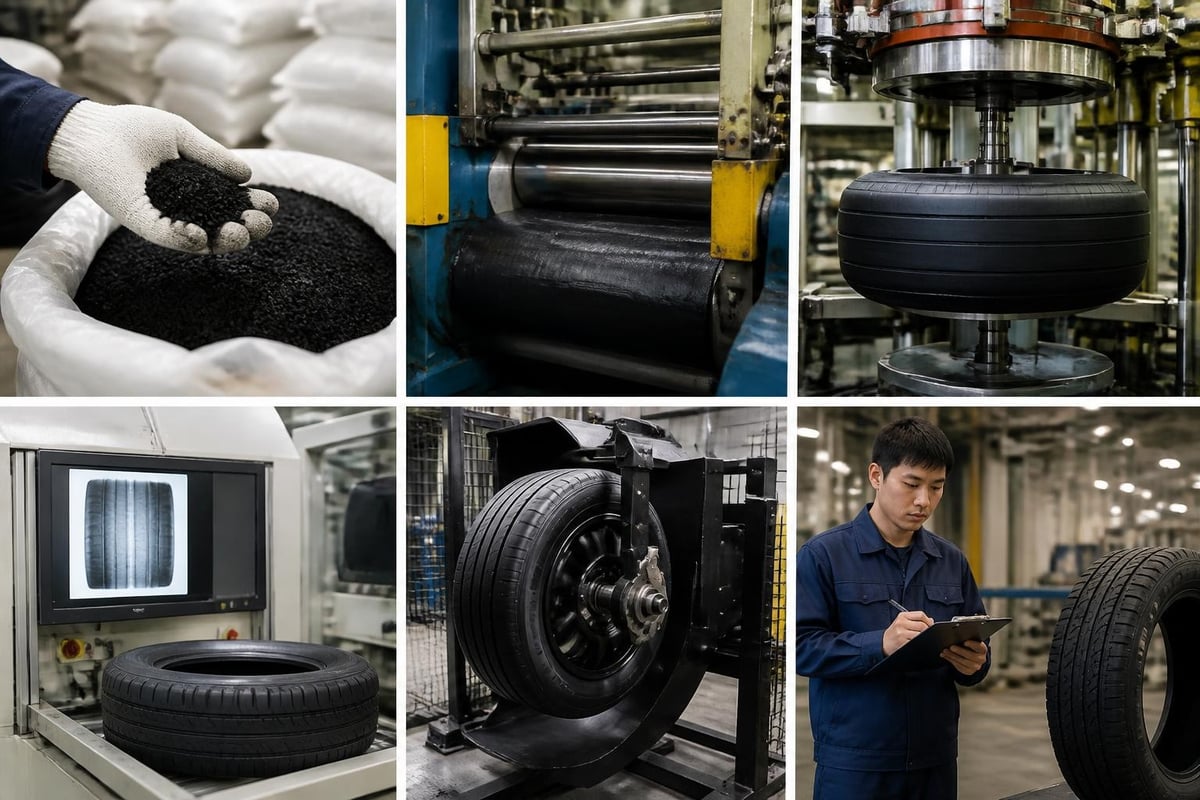
Production facilities operated by japanese tyre brands implement Six Sigma quality methodologies and just-in-time inventory systems refined through decades of automotive manufacturing partnership. Automated inspection systems scan 100% of finished tires for dimensional accuracy, uniformity, and structural defects using X-ray imaging, laser profilometry, and dynamic balancing equipment.
The Japan Automobile Tyre Manufacturers Association reports that defect rates in Japanese factories average below 0.3%, compared to global industry averages near 1.2%. This consistency stems from:
- Raw material traceability systems tracking every compound batch
- Process parameter monitoring with real-time statistical control
- Employee training programs emphasizing craftsmanship standards
- Continuous improvement (kaizen) culture embedded across operations
- Supplier partnerships ensuring component quality from bead wire to textile plies
Global Manufacturing Footprint
While maintaining Japanese headquarters and R&D centers, major manufacturers established worldwide production networks to serve regional markets. Bridgestone operates 46 tire plants globally, Yokohama runs 23 facilities, and Toyo maintains 14 production sites. This geographic diversification reduces tariff exposure, currency fluctuation risk, and shipping costs for distributors.
For businesses sourcing commercial truck tires, understanding production origin matters. Semi truck tires from Thailand manufactured under Japanese technical partnerships often deliver comparable performance to Japanese-made products at lower logistics costs for Southeast Asian and Middle Eastern markets. OTR TIRE THAI leverages such partnerships to provide TBR tires engineered to Japanese quality standards with Thailand manufacturing efficiency.
Environmental Responsibility and Circular Economy
Japanese manufacturers lead industry efforts in tire recycling and sustainable materials. JATMA's comprehensive recycling programs achieve collection rates exceeding 95% of end-of-life tires, repurposing material into thermal energy, civil engineering applications, and retreaded products. This circular approach addresses both resource conservation and waste reduction.
Recent research published in Environmental Science and Pollution Research examined contaminant levels in crumb rubber derived from recycled tires, validating safety protocols for playground surfaces and artificial turf applications. Japanese manufacturers actively participate in these studies, sharing production data to improve recycling processes.
Sustainable Material Innovation
Development programs focus on bio-based materials reducing petroleum dependency. Yokohama's BluEarth-ES tires incorporate orange oil in tread compounds, improving low-temperature flexibility while sourcing renewable materials. Bridgestone experiments with guayule rubber from desert shrubs, targeting 40% bio-content in passenger tires by 2030.
Environmental benefits extend beyond materials to manufacturing efficiency:
- Energy-efficient curing processes reducing thermal requirements by 15-20%
- Water recycling systems minimizing freshwater consumption
- Solvent-free adhesive formulations eliminating VOC emissions
- Renewable energy integration at production facilities
- Carbon footprint tracking across supply chains
Commercial Applications and Fleet Performance
Fleet managers selecting japanese tyre brands for commercial applications benefit from extensive field data and warranty programs. Bridgestone's Tirecology program provides tire pressure monitoring, tread depth tracking, and lifecycle cost analysis helping operators optimize replacement intervals and reduce downtime.
Yokohama's commercial truck lineup emphasizes fuel efficiency for long-haul operations. The 902L ultra-low rolling resistance trailer tire achieved EPA SmartWay verification, delivering documented fuel savings averaging 3-5% compared to conventional designs. Over a fleet's annual mileage, these improvements generate substantial cost reductions.
Toyo's M-Line commercial tires target mixed-service applications where trucks encounter both highway and construction site conditions. Deep lug patterns with stone ejectors prevent retention damage, while reinforced casings support multiple retreading cycles. Distributors report average casings achieving 2-3 retreads before retirement, maximizing total cost per mile value.
| Tire Position | Japanese Brand Advantage | Typical Lifespan | Retreading Potential |
|---|---|---|---|
| Steer | Precision handling compounds, even wear | 120k-150k miles | Limited (typically replaced) |
| Drive | Deep tread, traction compounds | 80k-120k miles | 2-3 cycles common |
| Trailer | Low rolling resistance, fuel economy | 150k-200k miles | 3+ cycles achievable |
The Japan tire market analysis indicates growing domestic demand for commercial radials as logistics volumes increase with e-commerce expansion. Manufacturers respond with products balancing durability for delivery fleet stop-and-go cycles against highway fuel efficiency for intercity transport.
Technology Integration and Smart Tire Systems
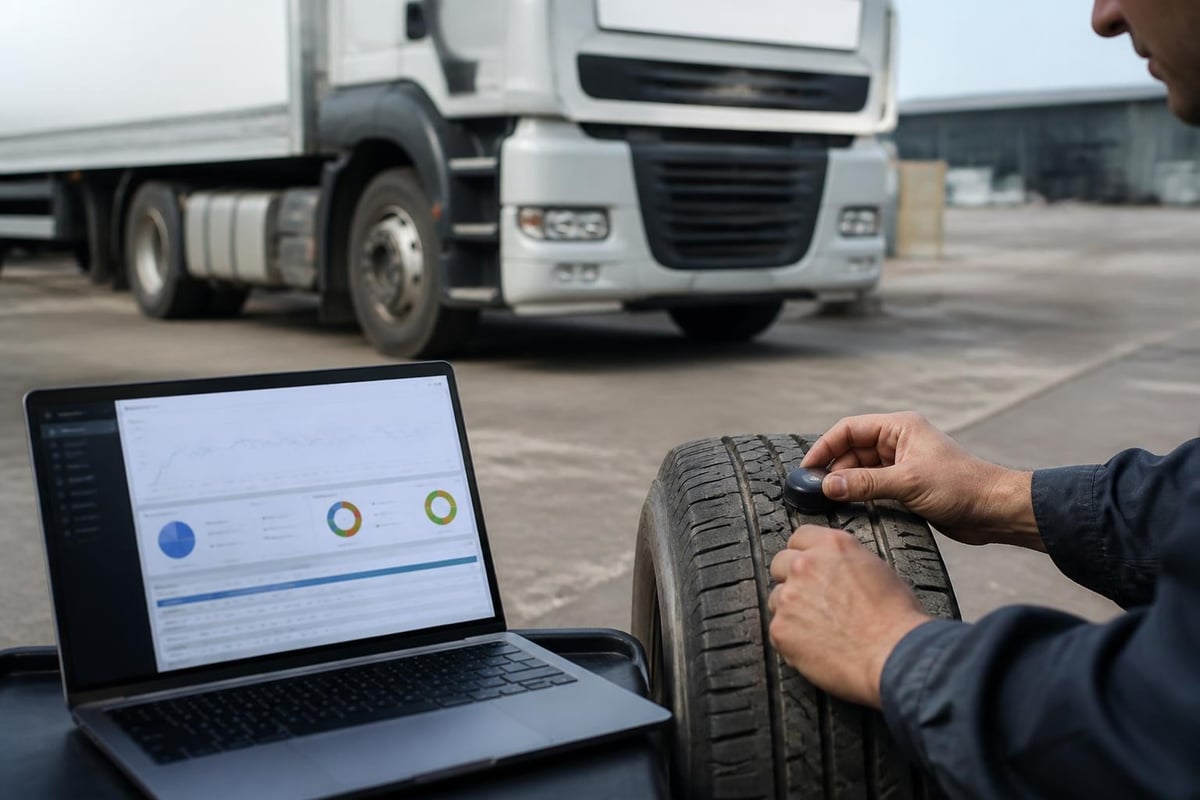
Japanese tyre brands pioneered embedded sensor technology monitoring tire conditions in real-time. Bridgestone's CAIS (Contact Area Information Sensing) system uses strain sensors detecting road contact patterns, feeding data to vehicle stability systems and predictive maintenance algorithms. Commercial fleets deploying these technologies report 15-20% reductions in tire-related breakdowns.
Yokohama's Intelligent Tyre Concept integrates RFID chips and pressure sensors transmitting telemetry to fleet management systems. The technology enables:
- Automated tire inventory tracking across multi-site operations
- Real-time pressure and temperature alerts preventing failures
- Tread depth monitoring scheduling replacements before safety limits
- Load distribution analysis optimizing cargo placement
- Predictive analytics identifying performance degradation patterns
These systems align with broader automotive industry trends toward connected vehicles and autonomous operations. As commercial trucks adopt advanced driver assistance systems, intelligent tires provide critical data inputs for traction control, stability management, and collision avoidance algorithms.
Competitive Positioning Against Global Manufacturers
Japanese tyre brands compete against established European manufacturers (Michelin, Continental, Pirelli) and emerging Asian producers. Competitive advantages center on reliability perception, technological innovation, and strategic pricing. Brand equity surveys consistently rank Bridgestone and Yokohama in top-tier quality perception alongside premium European marques.
Price positioning varies by segment and distribution channel. In passenger car categories, Japanese brands typically price 5-15% below European premiums while maintaining quality parity. Commercial truck segments show tighter price competition, with Japanese manufacturers leveraging production efficiency and regional manufacturing to match European pricing while offering superior warranty terms.
The specialized reporting from Gomu Houchi tracks Japanese domestic production volumes and raw material consumption, providing insights into capacity utilization and export allocation. Recent data shows increased focus on high-value specialty segments (performance, winter, light truck) where margin structures support premium positioning.
Distribution Strategy and Channel Management
Japanese manufacturers employ multi-tier distribution models balancing direct fleet relationships with independent dealer networks. Bridgestone's 2,200+ retail locations in North America complement wholesale partnerships with tire distributors serving independent installers. This dual approach ensures broad market coverage while maintaining brand control over customer experience.
For international distributors, OTR TIRE THAI provides an alternative sourcing strategy combining Japanese engineering standards with Thailand manufacturing costs. The company's partnerships with renowned brands enable distributors to offer quality products across agricultural, industrial, and commercial segments without the premium pricing of direct Japanese imports.
Performance Categories and Application Specialization
Understanding which japanese tyre brands excel in specific applications helps distributors align inventory with customer demands. Product development follows distinct engineering philosophies based on intended use cases, climate conditions, and performance priorities.
Passenger Car Performance
Summer ultra-high-performance: Bridgestone Potenza, Yokohama ADVAN Sport, Toyo Proxes feature maximum dry grip and responsive handling for sports cars and performance sedans. Tread compounds prioritize lateral traction over tread life, typically delivering 25k-35k miles before replacement.
All-season touring: Bridgestone Turanza, Yokohama AVID, Toyo Versado balance year-round traction with comfort and longevity. These mainstream products dominate OEM fitments on sedans, crossovers, and family vehicles, offering 50k-70k mile tread warranties.
Winter/snow: Bridgestone Blizzak, Yokohama iceGUARD employ specialized rubber compounds maintaining flexibility below 40°F. Microscopic pore structures in contact patches enhance ice grip, while deep sipes provide snow traction. Markets with seasonal requirements drive substantial winter tire sales.
Light Truck and SUV Applications
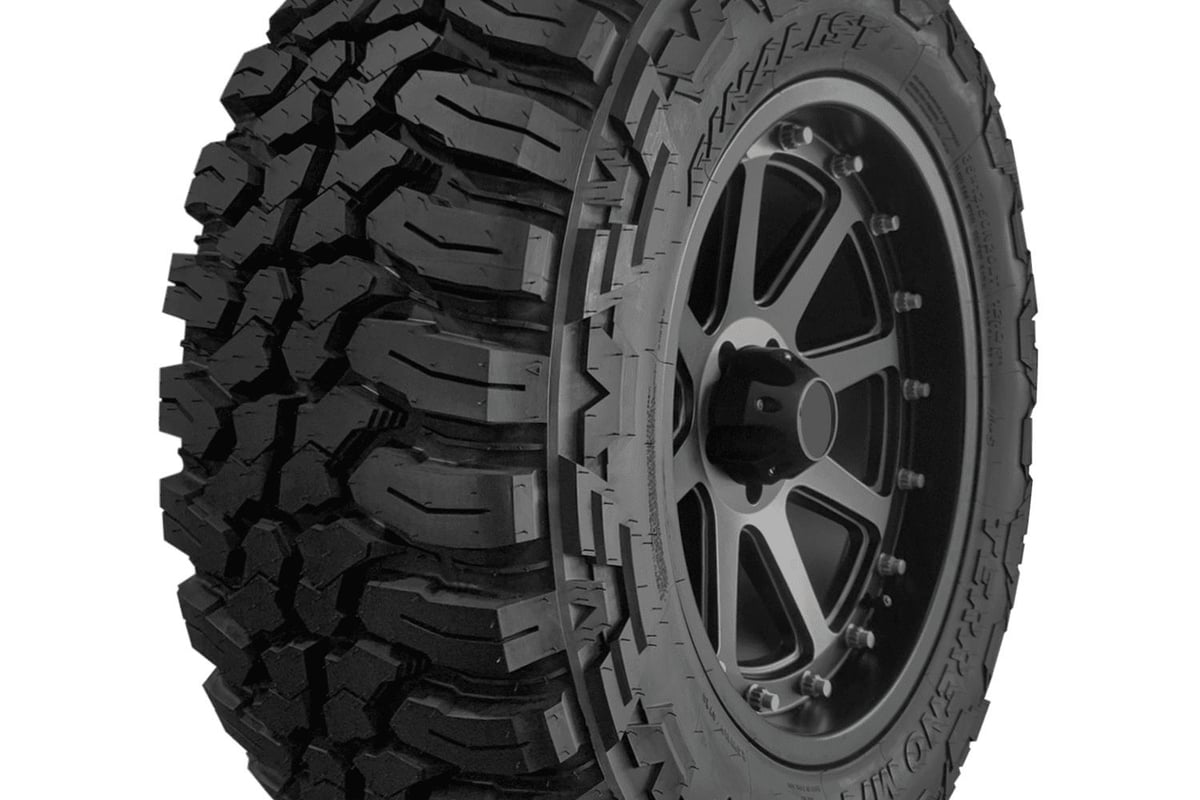
The explosion in pickup truck and SUV popularity created massive growth opportunities for japanese tyre brands specializing in LT-metric sizes. Yokohama GEOLANDAR, Toyo Open Country, and Bridgestone Dueler lines address diverse customer priorities:
- Highway terrain (HT): On-road comfort, quiet operation, fuel efficiency for daily commuting
- All-terrain (AT): Balanced on/off-road capability for weekend recreation
- Mud-terrain (MT): Maximum off-road traction for serious enthusiasts
Product portfolios span load range C through E ratings, supporting payload capacities from half-ton consumer trucks through one-ton commercial chassis. Distributors serving contractor fleets prioritize durability and puncture resistance, while retail channels emphasize aesthetics and brand recognition.
Regional Adaptation and Climate Engineering
Japanese tire engineers design products for global climate diversity, from tropical heat to Arctic cold. Regional compounds, tread patterns, and construction specifications address local conditions while maintaining core performance attributes.
Tropical markets require UV-resistant sidewall compounds preventing ozone cracking and heat-resistant carcass materials managing high ambient temperatures. Japanese manufacturers serving Southeast Asian distributors formulate compounds specifically for equatorial climates, where conventional designs deteriorate prematurely.
Cold climate variants employ higher natural rubber content maintaining elasticity in sub-freezing temperatures. Scandinavian winter tires feature aggressive directional patterns and stud holes, while North American snow tires emphasize slush evacuation and moderate ice traction without studs.
Understanding these regional specifications helps distributors select appropriate inventory. A tire engineered for Japanese domestic conditions may not perform optimally in Middle Eastern heat or Canadian winters without compound adjustments. Reputable japanese tyre brands maintain region-specific product lines addressing these requirements.
Motorsport Heritage and Performance Development
Racing programs drive technology development trickling down to consumer products. Bridgestone's Formula 1 tire supply contract (2007-2010) advanced wet compound technology and construction methods now appearing in premium passenger tires. Yokohama's decades-long involvement in Super GT, touring car racing, and rally championships inform tread pattern design and performance compound formulation.
Competition environments test materials under extreme stress, providing accelerated validation of engineering theories. A single F1 race weekend subjects tires to temperature swings from ambient to 250°F, lateral forces exceeding 5G, and degradation rates consuming tread in under 100 miles. Lessons learned inform:
- Thermal management strategies preventing overheating
- Compound consistency across operating temperature ranges
- Construction methods resisting deformation under load
- Tread pattern designs optimizing contact patch pressure
- Quality control detecting microscopic defects
Consumer benefits manifest as improved wet braking, reduced aquaplaning risk, and more predictable handling at performance limits. Even drivers never approaching track speeds benefit from the safety margins engineered into these systems.
Future Trends and Industry Evolution
The tire industry faces transformative challenges as automotive technology evolves. Japanese manufacturers invest heavily in future-focused development addressing electric vehicles, autonomous driving, and sustainability mandates. These initiatives will shape competitive positioning throughout the coming decade.
Electric vehicle adaptation requires rethinking traditional tire design. EVs' instant torque delivery and heavier battery packs demand reinforced constructions and wear-resistant compounds. Simultaneously, range anxiety makes rolling resistance reduction critical. Bridgestone's Enliten technology reduces tire weight by 30% while maintaining performance, directly extending EV range.
Airless tire development targets puncture elimination and maintenance reduction. Bridgestone and Yokohama both demonstrated prototype airless designs using thermoplastic spokes supporting tread bands. While commercial viability remains years away, the technology promises revolution for low-speed commercial applications.
Sustainable materials will increasingly define product differentiation. Consumer pressure and regulatory requirements push manufacturers toward bio-based compounds, recycled materials, and carbon-neutral production. Japanese expertise in manufacturing efficiency and quality systems positions these brands to lead industry sustainability initiatives.
Japanese tyre brands have earned their dominant market position through decades of engineering excellence, manufacturing precision, and continuous innovation. For distributors evaluating supplier partnerships, these manufacturers offer proven reliability backed by comprehensive product portfolios and global support networks. OTR TIRE THAI combines this Japanese engineering heritage with Thailand manufacturing efficiency, delivering premium quality tires at wholesale prices across agricultural, commercial, industrial, and specialty segments. Whether you're sourcing TBR tires for commercial fleets or specialty products for niche applications, our partnerships with renowned brands ensure your customers receive world-class performance and durability.
