
Blog
Steer Tires: Selection, Safety & Maintenance Guide 2026

Sep
Steer tires play the most critical role in commercial vehicle safety, handling, and driver confidence. Mounted on the front axle of semi-trucks, buses, and heavy-duty commercial vehicles, these tires bear the responsibility of directional control, absorb the majority of braking forces, and carry substantial load while enabling precise maneuvering. Unlike drive or trailer positions, steer tires face unique demands that require specialized tread patterns, construction methods, and maintenance protocols. For fleet managers, tire distributors, and transportation professionals, understanding the nuances of steer tire selection and care directly impacts operating costs, regulatory compliance, and road safety outcomes.
The Unique Engineering Behind Steer Tires
Steer tires incorporate design features fundamentally different from their drive and trailer counterparts. The construction prioritizes lateral stability and responsive handling over maximum traction or fuel economy.
Rib Pattern Architecture
Most steer tires feature a multi-rib tread pattern with continuous longitudinal grooves running the circumference. This design delivers several performance advantages:
- Consistent contact patch distribution for even wear
- Predictable steering response across varying load conditions
- Enhanced water evacuation to reduce hydroplaning risk
- Lower rolling resistance compared to aggressive lug patterns
The typical five-rib configuration balances stability with ride comfort. Center ribs maintain straight-line tracking, while shoulder ribs provide cornering grip without the noise associated with open-shoulder drive patterns.
Casing Construction Priorities
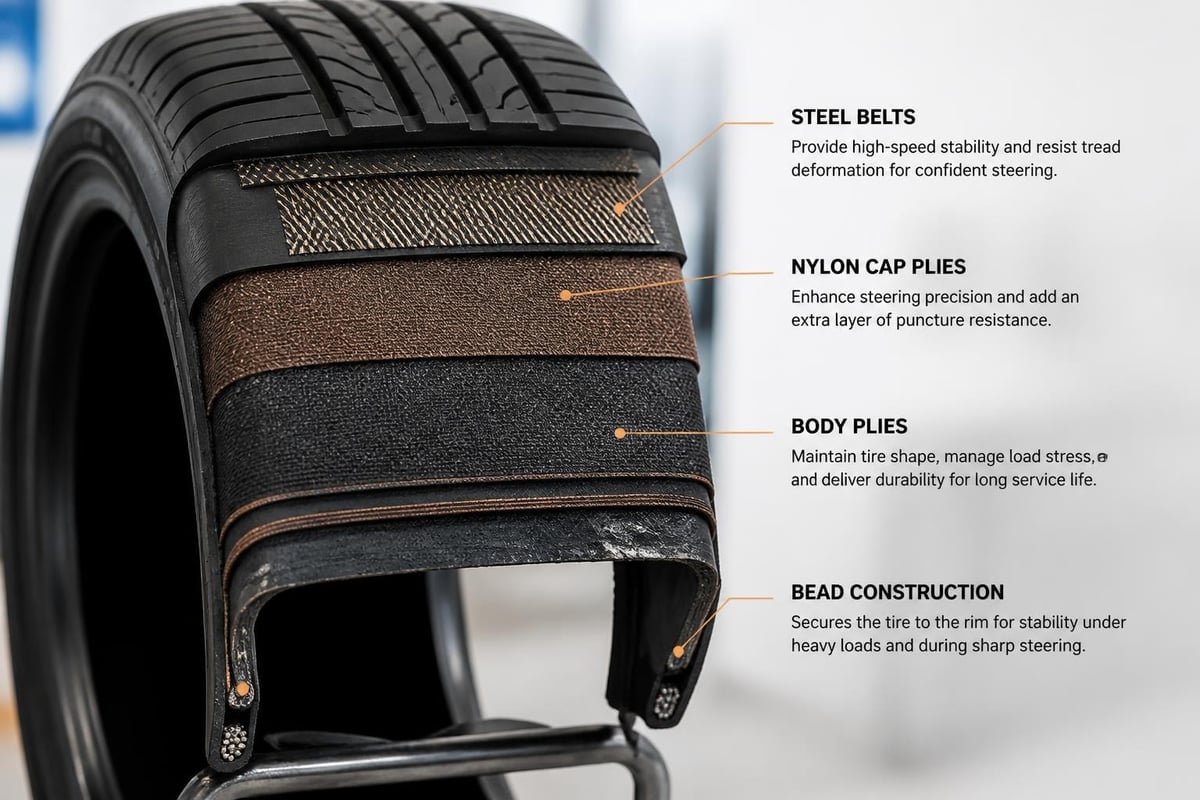
Radial construction dominates the steer tire segment for commercial vehicles. The radial design uses steel belts running perpendicular to the tread, topped with nylon cap plies that resist centrifugal forces at highway speeds. This architecture creates a flexible sidewall that absorbs road irregularities while maintaining a stable, flat footprint.
Key structural elements include:
| Component | Function | Performance Impact |
|---|---|---|
| Steel belts | Load distribution & puncture resistance | Extends casing life for retreading |
| Nylon cap plies | High-speed stability | Prevents tread separation above 65 mph |
| Body plies | Sidewall strength | Determines load capacity rating |
| Bead bundles | Rim retention | Ensures safe mounting under stress |
According to the Tire Industry Service Bulletin standards, proper load index matching between tire and axle rating is mandatory for safe operation. Steer axles typically carry 12,000 to 14,000 pounds combined weight on tandem-axle configurations.
Selecting the Right Steer Tire for Your Application
Matching tire specifications to operational demands prevents premature wear and safety incidents. The selection process requires analyzing route characteristics, load patterns, and climate conditions.
Load Range and Ply Rating Considerations
Load range designations (typically G, H, or J for commercial steer applications) indicate the maximum inflation pressure and corresponding load capacity. Each step up in load range adds structural reinforcement:
- Load Range G: 110 psi maximum, suitable for regional delivery with moderate loads
- Load Range H: 120 psi maximum, standard for long-haul tractors
- Load Range J: 140 psi maximum, required for heavy-haul and overweight permits
The load/inflation tables published by tire manufacturers provide exact weight limits at each pressure increment. Operating below the minimum required pressure for your axle weight causes excessive flexing, heat buildup, and catastrophic failure risk.
Tread Depth and Expected Service Life
New steer tires ship with tread depths between 18/32" and 22/32", depending on the manufacturer and model. Federal Motor Carrier Safety Administration regulations require removal at 4/32" remaining depth on steer axles, substantially deeper than the 2/32" minimum for drive and trailer positions.
Service life expectations vary by application:
- Urban delivery (frequent stops, lower speeds): 80,000–100,000 miles
- Regional haul (mixed highway/secondary roads): 100,000–150,000 miles
- Long-haul interstate (primarily highway miles): 150,000–200,000 miles
- Vocational (construction, refuse): 60,000–80,000 miles
These ranges assume proper maintenance practices. The Technology & Maintenance Council publishes detailed analysis guides for diagnosing wear patterns that signal alignment, inflation, or operational issues.
Climate and Road Condition Matching
Temperature extremes and precipitation patterns influence compound selection. Modern steer tire compounds balance three competing characteristics: tread life, grip, and rolling resistance.
Warm-climate compounds emphasize heat resistance to prevent premature aging and tread separation in sustained high temperatures. Southern U.S. and tropical markets benefit from silica-enhanced tread formulations that maintain flexibility without softening excessively.
Cold-climate compounds retain pliability below freezing, critical for traction on winter roads. While dedicated winter steer tires exist for severe-service markets, all-season compounds meeting Transport Canada’s motor vehicle safety standards provide year-round capability for most Canadian and northern U.S. operations.
Critical Maintenance Practices for Steer Tires
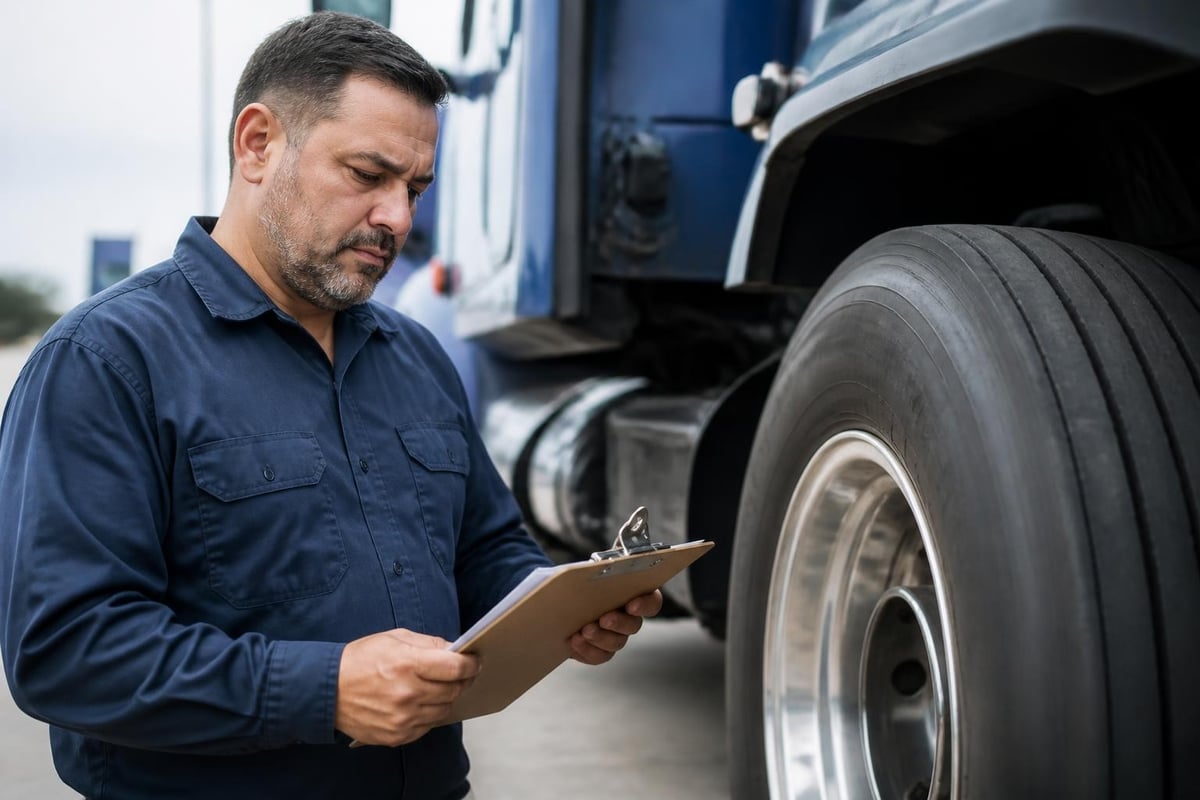
Preventive maintenance extends tire life, improves fuel economy, and prevents roadside failures. The FMCSA’s maintenance requirements mandate regular inspection intervals and documentation for commercial carriers.
Inflation Pressure Management
Underinflation ranks as the leading cause of premature steer tire removal. Each 10 psi below specification increases rolling resistance by 1–2%, reduces tread life by up to 15%, and raises operating temperature into the danger zone.
Daily pre-trip inspections should include:
- Visual sidewall check for bulges or cuts
- Tread depth gauge measurement (weekly minimum)
- Pressure verification with calibrated gauge (not visual assessment)
- Valve cap and stem integrity confirmation
Automatic tire inflation systems (ATIS) eliminate the human error factor by maintaining target pressure continuously. These systems pay for themselves through extended tire life and fuel savings within 18–24 months in most fleets.
Wheel Alignment and Balancing
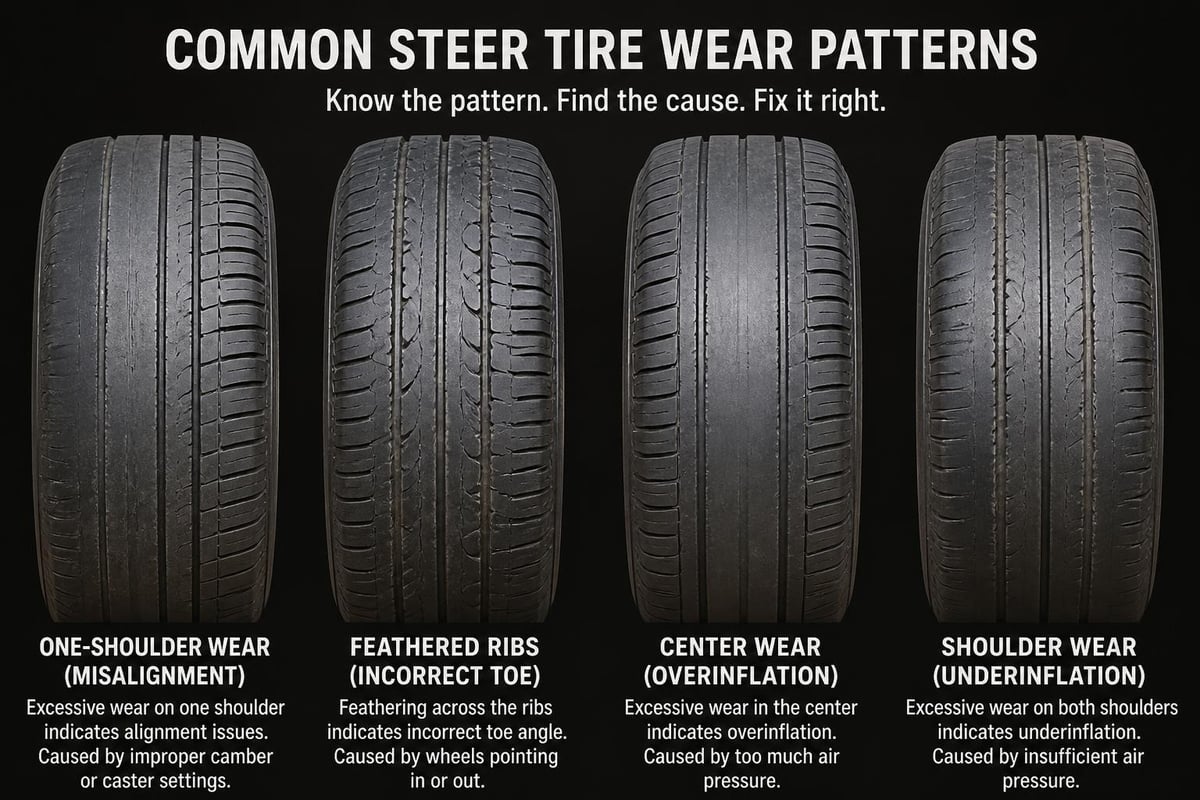
Steer axle misalignment creates rapid, uneven wear that forces early tire removal despite adequate remaining tread depth. The FleetOwner guide on preventing irregular treadwear identifies three primary wear patterns linked to alignment:
| Wear Pattern | Probable Cause | Correction Required |
|---|---|---|
| One-shoulder wear | Excessive toe-in or toe-out | Realign to spec (1/16" to 1/8" total toe) |
| Feathered ribs | Excessive toe setting | Reduce toe angle, check for worn linkage |
| Center wear | Chronic overinflation | Verify load tables, reduce pressure |
| Both shoulders | Chronic underinflation | Increase pressure, check for leaks |
Alignment checks should occur every 50,000 miles or after any significant impact event (pothole, curb strike, accident). Modern alignment equipment measures caster, camber, and toe angles to within 0.01 degrees, enabling precision correction.
Dynamic balancing becomes necessary when drivers report steering wheel vibration between 50–70 mph. Steer tire imbalance creates driver fatigue, accelerates suspension wear, and produces cupping patterns across the tread surface. Rebalancing costs $15–25 per wheel but prevents hundreds of dollars in premature tire replacement.
Rotation Strategies and Position-Specific Wear
Unlike passenger vehicles, commercial trucks rarely rotate steer tires through all positions. The specialized demands of steering justify keeping steer-position tires on the front axle throughout their service life.
Side-to-side rotation on the steer axle helps equalize wear when one wheel path sees more severe conditions. This applies particularly to:
- Regional routes with consistent turning direction (delivery loops)
- Operations on crowned roads where the right-side tire carries more load
- Vehicles with slight alignment variations between left and right sides
The rotation interval should coincide with alignment checks-approximately every 50,000 miles. Some fleets rotate at each oil change interval to simplify scheduling.
Performance Technologies in Modern Steer Tires
Engineering advances continue to improve steer tire durability, efficiency, and safety margins. Understanding these technologies helps buyers evaluate competing products.
Low Rolling Resistance Compounds
Fuel economy represents 30–40% of total operating costs for long-haul carriers. Steer tires contribute approximately 25% of total vehicle rolling resistance, making compound formulation a significant efficiency factor.
Silica-based tread compounds reduce hysteresis (internal friction) as the tire flexes, converting less energy to heat and more to forward motion. EPA SmartWay-verified steer tires demonstrate 3–5% lower rolling resistance compared to standard compounds while maintaining tread life.
The trade-off involves slightly reduced wet traction compared to high-grip compounds. For interstate operations where dry highway miles dominate, the fuel savings typically justify the minimal traction compromise.
Stone Ejector and Curbing Resistance Features
Vocational applications expose steer tires to road hazards uncommon in over-the-road service. Construction sites, unpaved access roads, and urban delivery routes require enhanced puncture protection.
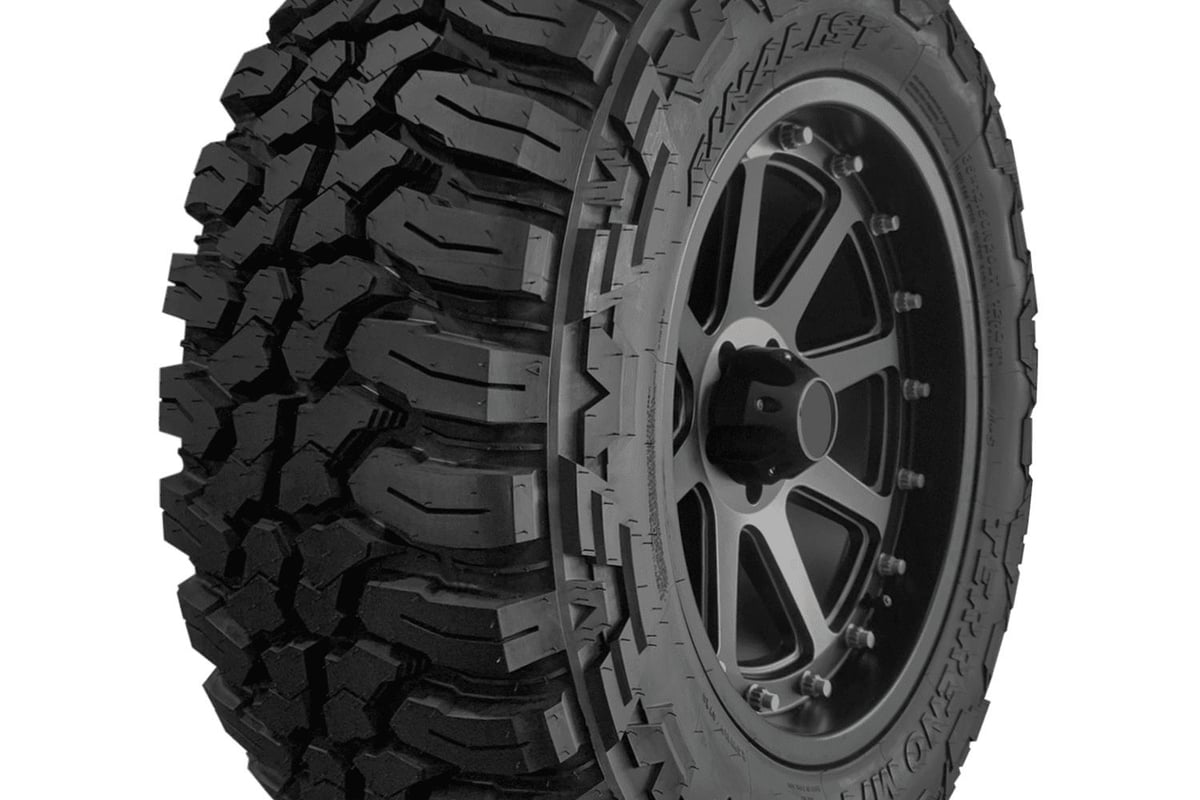
Stone ejector ribs within tread grooves actively expel gravel and debris before penetration occurs. The flexible rubber tabs create pinch points that squeeze trapped stones back out during tire rotation.
Curbing guards-raised shoulder ribs-protect the sidewall from scrubbing damage during tight urban maneuvers. Delivery trucks making frequent kerb approaches benefit substantially from this feature, which can extend tire life by 20–30% in high-scuff applications.
Run-Flat and Extended Mobility Options
Emergency mobility features allow controlled operation after air loss, preventing accidents caused by sudden deflation. Two primary technologies exist:
- Reinforced sidewalls: Extra-stiff sidewall construction supports vehicle weight for 50 miles at reduced speed
- Internal support rings: Rigid inserts maintain tire shape when inflated pressure drops to zero
These technologies add cost and weight, limiting adoption to high-security applications (armored vehicles, critical cargo) rather than general commercial use. Most fleets rely on rapid roadside service instead.
Regulatory Compliance and Safety Standards
Commercial vehicle operators must navigate federal, state, and international regulations governing tire condition and maintenance practices. Violations during roadside inspections result in out-of-service orders and CSA safety scores that impact insurance rates and operating authority.
Department of Transportation Requirements
DOT tire regulations specify minimum tread depth, prohibition of certain damage types, and load/speed rating compliance. For steer tires specifically:
- Minimum tread depth: 4/32" measured in any two adjacent grooves
- Prohibited damage: Cuts exposing body cords, sidewall bulges, tread separation
- Load rating: Tire load capacity must meet or exceed axle weight at maximum loading
- Tire age: No federal limit, but many fleets impose 6–8 year retirement policies
The U.S. Tire Manufacturers Association maintains extensive resources on interpreting these requirements and implementing compliant maintenance programs.
Provincial and State-Specific Variations
Canadian provinces enforce additional restrictions beyond federal minimums. British Columbia and Alberta require snow tires or chains during winter months on mountain passes, affecting steer tire selection for carriers operating in those regions.
Individual U.S. states occasionally implement stricter tread depth requirements or seasonal equipment mandates. Carriers operating across multiple jurisdictions must track the most restrictive standard applicable to their routes.
Cost Management and Total Lifecycle Value
Steer tire expenses extend beyond initial purchase price to include mounting, maintenance, disposal, and downtime costs. Strategic tire management programs optimize total cost of ownership rather than simply buying the lowest-priced option.
Purchase Price vs. Cost Per Mile
Premium steer tires command 15–25% higher acquisition costs than value-tier alternatives but frequently deliver 30–40% more service miles. The critical metric is cost per mile, calculated by dividing total tire investment by miles delivered.
Example comparison:
| Tier | Purchase Price | Service Miles | Cost Per Mile |
|---|---|---|---|
| Value | $275 | 100,000 | $0.00275 |
| Premium | $340 | 160,000 | $0.00213 |
| Savings | –$65 | +60,000 | $0.00062 |
Over a 100-tire fleet, the premium choice saves $6,200 annually while reducing replacement frequency and associated downtime.
Retreading and Casing Management
Retreading extends steer tire life by replacing worn tread on a sound casing. Premium casings support 2–3 retread cycles, multiplying the original investment's value. When managed properly, OTR TIRE THAI's semi truck tire lineup is engineered with robust casings specifically designed for multiple retread cycles, delivering exceptional value for fleet operators who track casing history and partner with certified retreaders.
Casing management requires tracking:
- Original tire serial number and installation date
- Service miles at removal
- Tread depth and wear pattern at removal
- Number of prior retreads
- Visual inspection for structural damage
Fleets that implement casing tracking systems achieve 20–30% lower total tire costs compared to new-tire-only programs.
Emergency Service and Downtime Costs
A steer tire failure on the roadside costs $300–500 in emergency service fees plus 2–4 hours of lost productivity. Preventive replacement before failure eliminates these expenses while improving safety outcomes.
Leading fleets establish replacement criteria based on remaining tread depth with safety margins:
- Remove steer tires at 5/32" remaining (1/32" above legal minimum)
- Replace any tire approaching 6 years of age regardless of tread
- Retire immediately upon discovering structural damage
The incremental cost of slightly earlier replacement is vastly cheaper than managing a roadside emergency or accident investigation.
Advanced Diagnostic Technologies
Modern fleet management leverages technology to monitor tire condition in real-time, enabling predictive maintenance and preventing failures before they occur.
Tire Pressure Monitoring Systems
TPMS installations provide continuous pressure and temperature data transmitted to the cab or fleet management center. Commercial-grade systems alert drivers immediately when pressure drops 10% below target, allowing corrective action before damage occurs.
Two TPMS architectures serve the commercial market:
- Cap-based sensors: Installed in place of standard valve caps, these battery-powered units transmit via Bluetooth or dedicated radio frequency to cab-mounted displays.
- Flow-through sensors: Mounted between the valve stem and inflation chuck, these devices enable inflation without sensor removal while providing more accurate readings.
Return on investment typically occurs within 12–18 months through extended tire life and reduced roadside service calls.
Tread Depth Measurement Systems
Automated tread depth scanners eliminate the variability of manual gauge measurements. Drive-over or handheld laser systems measure tread depth across the entire circumference in seconds, creating permanent records for compliance documentation.
These systems identify irregular wear patterns earlier than visual inspection, triggering alignment checks or pressure adjustments before extensive damage occurs. Progressive fleets scan steer tires every 30 days, building trend data that predicts removal dates weeks in advance.
Conicity and Ply-Steer Analysis
Manufacturing variations occasionally produce tires with conicity (tendency to roll in an arc) or ply-steer (lateral force from belt construction). Technical research on ply-steer prediction helps engineers minimize these effects during the design phase, but field testing remains necessary to identify problematic units.
Steer tires exhibiting pull or drift require matching on the same axle or removal from service. Drivers report wandering or constant steering correction, indicating replacement regardless of remaining tread depth.
Proper steer tire selection, maintenance, and replacement practices directly determine fleet safety, operating efficiency, and regulatory compliance outcomes. When you're ready to source premium steer tires engineered for demanding commercial applications, OTR TIRE THAI delivers factory-direct access to internationally certified TBR products serving distributors across 80+ countries. Our technical support team helps match specifications to your operational requirements, ensuring optimal performance and value throughout the service lifecycle.
